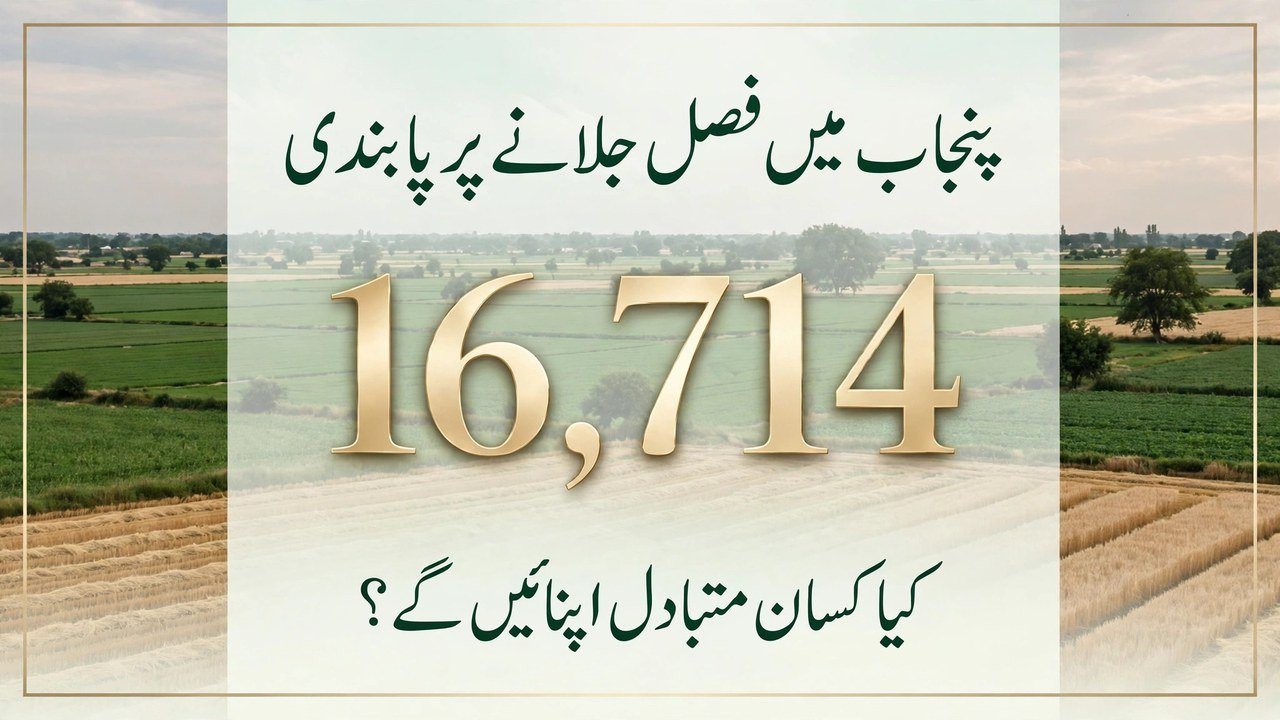
Every winter, the same smoke returns to Punjab’s skies. This year the order against it came from the top. On 6 November 2026, Chief Minister Maryam Nawaz Sharif directed all deputy commissioners across Punjab to enforce a complete ban on crop residue burning, holding district administrations personally responsible for compliance. The Crop Burning Ban Punjab 2026 is now the centrepiece of the province’s smog fight, and it arrives in a season when satellites have already counted thousands of fires.
This article explains what the ban covers, who must enforce it, what alternatives farmers have, and what the fire data shows. The ban is backed by Section 144 and the 2023 Punjab Smog Rules.
| Detail | Ban Fact |
|---|---|
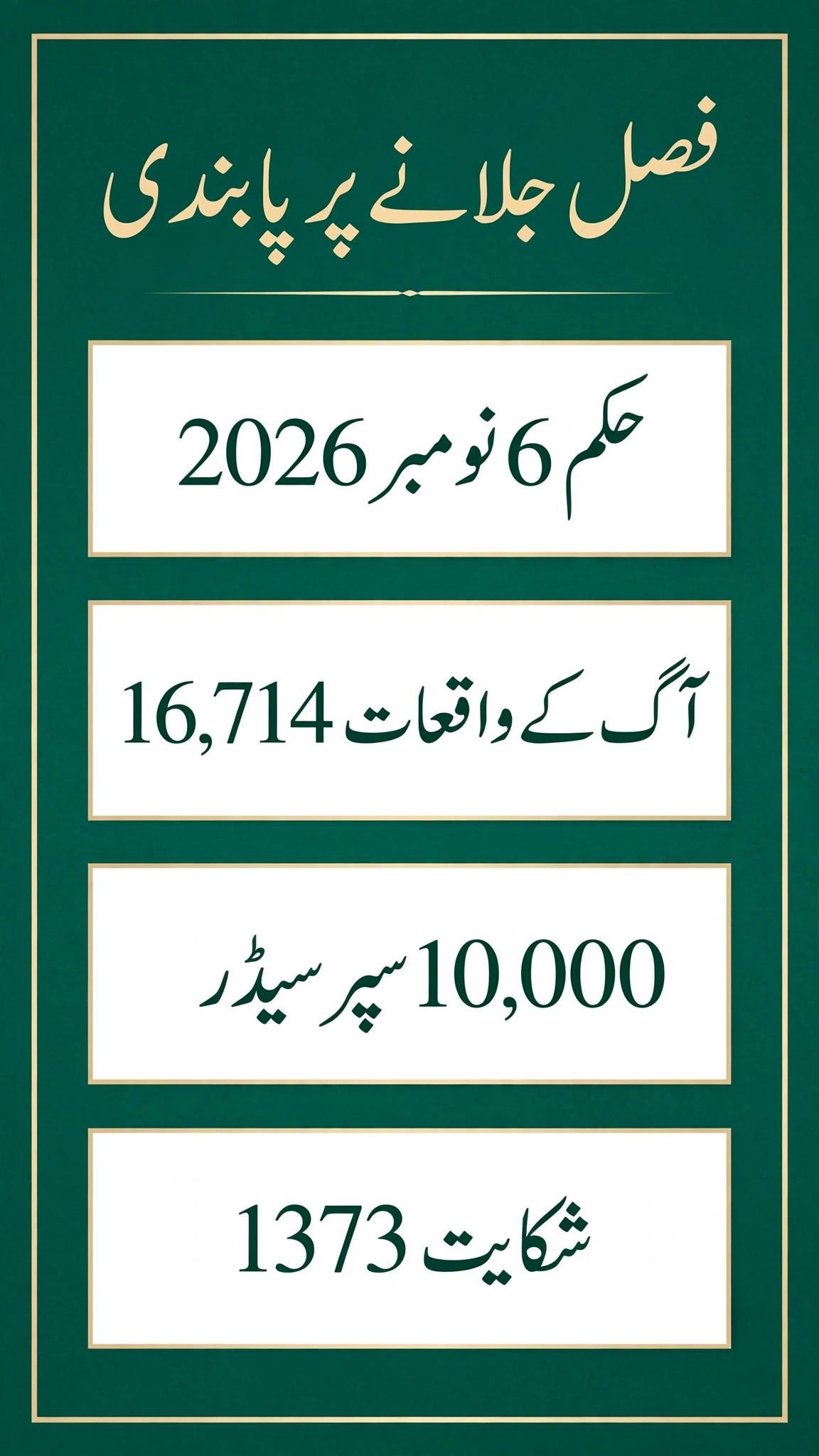
| Order given | 6 November 2026, by Chief Minister Maryam Nawaz Sharif |
| What is banned | Complete ban on burning crop residues across Punjab |
| Who must enforce it | All deputy commissioners, in every district |
| Legal backing | Section 144 and the 2023 Punjab Smog Rules |
| Fires detected, 1 October to 9 November | 16,714 likely crop-residue fires in Punjab |
| Change against last year | Almost unchanged from the same period in 2025 |
The Chief Minister’s Order
The directive was issued at a high-level review meeting with deputy commissioners from all districts in Lahore. It was not a general appeal; it was a direct instruction with accountability attached.
- Complete ban: the chief minister directed all deputy commissioners to enforce a complete ban on burning crop residues.
- District responsibility: district administrations would be held responsible for ensuring compliance with environmental directives.
- Named criticism: the chief minister criticised the deputy commissioner of Okara for failing to give adequate attention to burning.
- Special squads: the chief minister also ordered special enforcement squads to improve governance standards.
Why Burning Matters So Much
Burning leftover crop material after harvest is one of the largest seasonal contributors to smog. The smoke drifts into the cities, where it mixes with vehicle and industrial emissions.
- Seasonal peak: smog starts in late October, peaks from November to January and can last through February.
- Trapped smoke: falling temperatures create a temperature inversion, a layer of warmer air above colder air that traps smoke and dust.
- Still air: wind speeds have been extremely low for days, so smoke hangs over the province instead of clearing.
- Cross-border fires: residue burning in Indian Punjab and easterly winds were identified by the government as contributing factors on 9 and 10 November.
What the Fire Data Shows
Satellite monitoring gives the ban its hardest test.
- 16,714 fires: satellites detected 16,714 likely crop-residue fires in Punjab between 1 October and 9 November 2026.
- Almost unchanged: the number remained almost unchanged from the corresponding period last year.
- Late surge: about half of the 13,241 fire detections recorded between 1 and 29 October fell in the final seven days.
Super Seeders: The Alternative
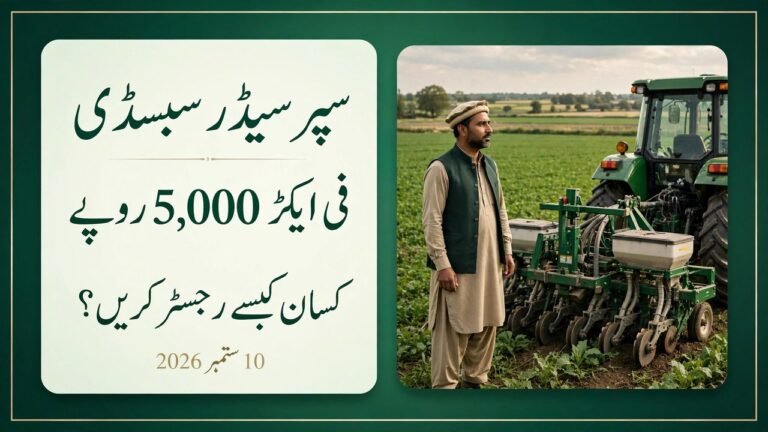
A ban only works if farmers have another way to clear their fields. The government’s answer is the super seeder, a machine that plants the next crop without burning the stubble.
- 10,000 machines: Punjab says it has provided 10,000 super seeders to farmers.
- 60% subsidy: the machines were provided at a 60% subsidy.
- How they help: super seeders plant the next crop directly into the residue, so the stubble does not need to be burned.
- Scale of the task: the machines must reach the districts where the fires are concentrated, and the fire data shows the gap is still large.
- Enforcement plus support: the government says it is using modern technology, data-driven monitoring and strict enforcement together.
How the Ban Is Enforced
The ban is enforced through the district machinery, with the environment department, the police and the district administration each playing a part.
- Deputy commissioners: each district’s deputy commissioner is responsible for enforcement in that district.
- Section 144: Punjab bans crop residue burning each autumn, backed by Section 144 and the 2023 Punjab Smog Rules.
- Reported fine: fines of Rs 200,000 per acre have been reported under the Smog Rules.
- Last year’s cases: in 2025, 1,284 cases were registered by 11 November, though field reports found gaps in monitoring and enforcement.
What Residents and Farmers Should Do
The ban affects farmers directly and city residents indirectly, and both groups have a clear role. Reporting is the link between the two.
- Farmers: use super seeders or other no-burn methods.
- Residents: report burning in fields, on roadsides or in open plots on helpline 1373 or through the Green Punjab app.
- Check the air: the Punjab EPA dashboard at aqi.punjab.gov.pk updates hourly and shows which cities are worst affected.
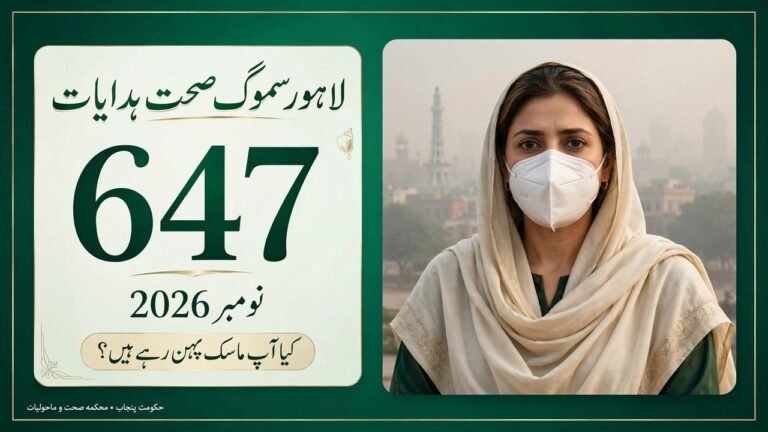
- Protect health: on hazardous days, stay indoors, wear an N95 mask if going out cannot be avoided, and keep windows shut overnight and in the early morning.
| Contact and Helpline Details | Detail |
|---|---|
| Report burning | Helpline 1373 or the Green Punjab app |
| Live AQI | aqi.punjab.gov.pk |
| Enforcement authority | District deputy commissioners; Environmental Protection Agency, Punjab |
Conclusion
The Crop Burning Ban Punjab 2026 is the strongest order the province has issued against field fires, with every deputy commissioner responsible. But the satellite data warns that orders alone have not yet worked: 16,714 fires between 1 October and 9 November, almost unchanged from last year. Whether the super seeders reach the burning fields will decide if the ban is a turning point.
FAQs
Is crop burning banned in Punjab?
Yes. A complete ban is in force, ordered by the chief minister on 6 November 2026 and backed by Section 144 and the 2023 Punjab Smog Rules.
Who enforces the ban?
The deputy commissioner of each district is responsible for enforcement, with the Environmental Protection Agency and special enforcement squads supporting them.
How many fires were detected in 2026?
16,714 likely fires between 1 October and 9 November 2026, almost unchanged from the same period in 2025.
What is the alternative to burning?
Super seeders, which plant the next crop without burning stubble. Punjab says 10,000 have been provided to farmers at a 60% subsidy.
How do I report crop burning?
Call helpline 1373 or report through the Green Punjab app.

The editor of epdpunjab.pk, covering the Environment Protection & Climate Change Department, Punjab and the CM Punjab Climate Leadership Development Internship Program 2026, with information verified from official sources.